Stems, Scents and Small Flats: The Cat-Conscious Supermarket Flower Run
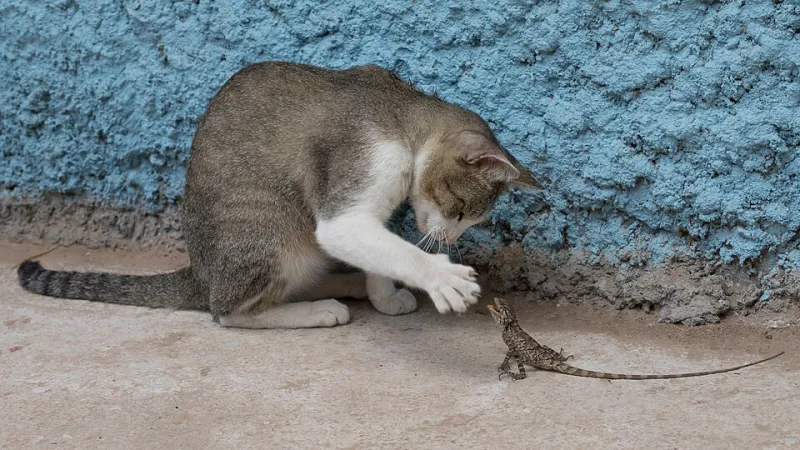
Photo: Mike Pennington , CC BY-SA 2.0, via Wikimedia Commons
There is a particular kind of optimism involved in buying supermarket flowers when you share a small flat with a cat. You picture a jaunty bunch on the mantelpiece, a faint scent of eucalyptus, perhaps a candle. Your cat pictures a new chew toy with a side salad. Both visions are valid. Only one of them ends with a vet bill.
So let us treat the weekly shop like a tiny editorial audit. Not a joyless safety lecture, not a fantasy in which your cat politely admires the delphiniums from a distance. Just a sensible, slightly suspicious look at what is actually in the bucket by the checkout — and how to bring a bit of colour home without turning your flat into an accidental tasting menu.
The five-minute bouquet audit
Start before you reach the checkout. Supermarket bouquets are often mixed, which means the pretty filler can be the problem. A bunch can look like a harmless spring picnic while quietly containing lily pollen, tulip stems or something alarmingly named after a Greek myth.
Check the label. If you see lilies, lilium, tulips, daffodils, hyacinths, amaryllis or chrysanthemums, put it down. Lilies deserve a special mention because even the pollen can be dangerous to cats, and pollen travels. A cat does not need to eat a lily to have a bad time; brushing past it and then grooming a paw is enough to worry about. This is not the moment for a laissez-faire approach.
Also be wary of bouquet fillers. Baby's breath, alstroemeria and some carnations are common in cheap mixed bunches, and they are not automatically cat-friendly. The bouquet may be £4.50, but the emotional cost of a Sunday afternoon spent Googling 'cat ate a petal' is considerably higher.
The usual suspects in the supermarket bucket
Lilies are the big one. If a bouquet contains lilies, skip it. Do not buy it, do not 'just remove the stamens', do not put it on a high shelf and hope. There are plenty of other flowers. Tulips, daffodils, hyacinths and amaryllis are also best left at the shop. Chrysanthemums, poinsettias and some common seasonal fillers can be problematic too.
The useful rule is not 'is it pretty?' but 'is it worth a phone call to the vet?' Most of us can answer that before the self-checkout starts shouting about unexpected items in the bagging area.
Twelve lower-risk picks for a cat-sharing flat
Lower-risk is not the same as cat-proof. A cat can knock over a vase, chew a leaf, or treat a flower as a small, decorative enemy. Always check with your vet before bringing any plant home, especially if your cat is young, bored, elderly or has a habit of eating things that are not food.
But if you want a starting point for a more cat-conscious bouquet, these are the sorts of stems and plants worth looking at:
- Roses — choose thornless or carefully de-thorned stems, and keep fallen petals off the floor.
- Sunflowers — cheerful, sturdy and widely available in UK supermarkets.
- Gerbera daisies — bright, cheap and often sold as single stems.
- Phalaenopsis orchids — a potted orchid is less likely to end up as floor confetti than a floppy vase.
- African violets — a compact potted option for a high shelf.
- Snapdragons — tall, theatrical and useful for a narrow vase.
- Statice — a dried-flower workhorse that does not need water and will not flop dramatically.
- Zinnias — colourful, supermarket-friendly and good for a small jug.
- Celosia — textured and slightly ridiculous in a good way.
- Potted basil — not a flower, but a charming kitchen windowsill resident; keep it where your cat cannot graze the whole crop.
- Rosemary — another potted herb with a decent chance of survival if placed thoughtfully.
- Spider plant or Boston fern — foliage rather than flowers, but useful for filling a shelf without bringing lily-adjacent drama into the flat.
This is not a permission slip. It is a shortlist for further checking. The ASPCA has a useful toxic and non-toxic plant database, and your vet knows your cat better than a website does.
Placement ideas for a flat with very little neutral ground
In a small flat, there is no 'away from the cat' so much as 'less directly in the cat's flight path'. Think vertically. A high wall shelf, a narrow mantelpiece, a hanging planter or a vase on top of a closed cupboard is better than the coffee table. Avoid the windowsill if it is your cat's main sunbathing deck. Avoid the floor entirely unless you enjoy sweeping.
Use a heavy, narrow-necked vase so a casual paw swipe does not send the whole arrangement over. Keep water fresh, skip cut-flower feed if your cat is a drinker, and clear fallen petals promptly. If you have a cat who investigates everything, consider a closed glass cabinet or simply buy a potted orchid and accept that flowers are now a spectator sport.
The bit where we all check with the vet
If your cat nibbles any flower, plant or stray petal and you are not certain what it was, contact your vet. Do not wait for symptoms. Lilies, in particular, are not a wait-and-see situation. Keep the packaging or a photo of the bouquet if you can, and be honest about what happened. Vets have heard stranger stories. Probably today.
And if the florist label is unclear? Ask. If the supermarket cannot tell you what is in the mixed bunch, choose a single-variety bunch you can identify. A bouquet should not require a botanical degree and a follow-up appointment.
The Gato & Co. verdict: flowers are lovely, cats are lovelier, and the vet is not a browsing destination. Buy the roses, place them high, and keep the lilies out of the basket.