Claws, Clauses and Clean Check-Outs: A Cat Renter's Paperwork Survival Kit

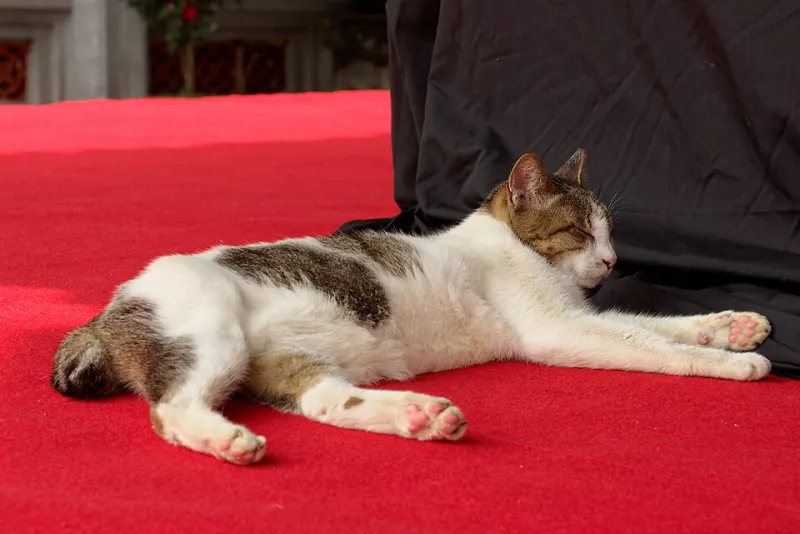
Photo: David Hawgood, CC BY-SA 2.0, via Wikimedia Commons
Renting with a cat is a bit like sharing a flat with a small, furry solicitor. They do not pay rent, they have strong opinions about soft furnishings, and they somehow create more paperwork than you do. In 2026, the UK rental market is still full of pet clauses, inventories and deposit schemes, and the difference between a smooth tenancy and a tense one often comes down to what you asked before you signed.
This is not legal advice. It is a practical, slightly battle-weary guide for cat renters who want to keep both the cat and the tenancy. Rules vary across the UK, and they can change, so check current guidance from Shelter, Citizens Advice, your local council or a qualified adviser before making decisions.
Start with the pet clause, not the Pinterest board
Before you fall in love with a flat because it has a sunny bay window and space for a cat tree, find the pet clause. It may say no pets full stop. It may say pets by written consent. It may say 'small pets considered' and then leave you to discover that the letting agent considers a cat to be a medium-sized horse.
Ask for the clause in writing and read the exact wording. Does it allow a cat specifically? Is consent revocable? Are there conditions about insurance, neutering, microchipping or carpets? Does it mention an additional deposit, pet rent, or professional cleaning at the end? Some of these charges may be restricted by law, and some may be old wording that nobody has updated since the landlord's last buy-to-let seminar. Ask, politely, rather than assuming.
Useful questions to put in an email before signing:
- Is there a pet clause, and can I see the exact wording?
- Is permission for one cat, or pets generally?
- Is consent written into the tenancy or granted separately?
- Are there any pet-related fees, deposits or insurance requirements?
- What counts as damage versus fair wear and tear at check-out?
- How will the inventory be carried out, and can I add my own photos?
- Are there any restrictions about scratch posts, litter trays or cat flaps?
- Who do I contact if a neighbour complains about the cat?
That last one is less dramatic than it sounds. In a flat, a cat may be blamed for things it did not do. It is useful to know the proper channel before the group chat gets involved.
The landlord-friendly script
Landlords are not a monolith. Some love pets. Some have been burned by a previous tenant's ferret. Some just want to know that the deposit is protected and the flat will not smell like a cattery by July.
Try a short, calm email rather than a grand speech. Something like: 'We are hoping to rehome a quiet, litter-trained indoor cat. We are happy to provide pet insurance details, keep the cat off soft furnishings where possible, and use a scratch post. Could you confirm whether the tenancy allows a cat by written consent, and whether there are any conditions we should meet?'
Then offer practical reassurance. Mention that you will use a covered litter tray, keep the flat ventilated, and have the carpets cleaned if needed. Do not promise that the cat will never scratch anything. That is the kind of promise that makes cats laugh and landlords suspicious. Instead, promise that you will deal with damage honestly.
Deposits, schemes and the paper trail
If you pay a tenancy deposit in England or Wales, it should be protected in a government-approved scheme, and you should receive the prescribed information. Scotland and Northern Ireland have their own rules. Know which scheme is used, keep the certificate, and check that the amount complies with current deposit caps and rules. The Tenant Fees Act and related guidance have changed what landlords can charge, so question anything that looks like a mystery fee wearing a lanyard.
At check-in, treat the inventory like a crime scene you are helping to document. Photograph everything: the doorframes, the carpet edges, the skirting boards, the sofa corners, the cupboard under the sink. If there is already a scratch on the doorframe, photograph it with a date. If the agent sighs, offer them a biscuit. You are not being difficult; you are being organised.
At check-out, the phrase 'fair wear and tear' matters. A small scuff from daily life is not the same as a cat-shaped hole in the plasterboard. If your cat has added texture to a doorframe, say so early and get a repair quote rather than waiting for the deposit deduction to arrive like a bad surprise. Sometimes a local handyman is cheaper than a landlord's preferred contractor. Sometimes the deposit scheme will need evidence. Either way, calm paperwork beats panic.
The claw-mark conversation, without the drama
Claw marks are the classic cat-renter anxiety. The trick is to address them before they become a standoff. At check-in, note any existing marks. During the tenancy, use scratch posts, protective strips and regular nail trims. At check-out, be honest about what is damage and what is normal wear. If you can, get a quote for repair and offer it in writing.
Landlords tend to respond better to a plan than an apology. 'There are some light scratches on the lower doorframe. I have a quote for £45 to sand and repaint it, and I am happy for that to be deducted or to arrange it myself' is a sentence that lowers the temperature. 'The cat is an artist' is funnier, but less useful.
The cat renter's checklist
Before you sign:
- Read the pet clause in full and get written consent.
- Confirm any pet-related conditions, fees or insurance requirements.
- Check the deposit amount and scheme rules.
- Ask how the inventory will be done and whether you can add photos.
- Keep all pet correspondence in one folder, digital or otherwise.
- Confirm who handles neighbour complaints and repairs.
Before you move in:
- Photograph every room, especially doorframes and carpets.
- Note existing damage on the inventory and keep dated copies.
- Set up a litter area away from food and draughts.
- Put scratch posts near the places your cat already likes to stretch.
- Check fire safety, window restrictors and balcony access.
Before you check out:
- Compare the inventory with current photos.
- Clean thoroughly, including under furniture and around skirting boards.
- Get quotes for any cat-related damage.
- Put your repair offer in writing.
- Keep receipts and scheme details until the deposit is settled.
Renting with a cat is not a loophole exercise. It is a small act of diplomacy, repeated monthly. Read the clause, ask the awkward question, take the photo, keep the receipt. Your cat will not thank you, but your deposit might.